


Heal your body as you sleep
Do you meditate? If you answered no, guess again! Every night you go to sleep you engage in the...
Qi-Gong (Energy-Work) is the answer to most health challenges that affect our personal and professional life
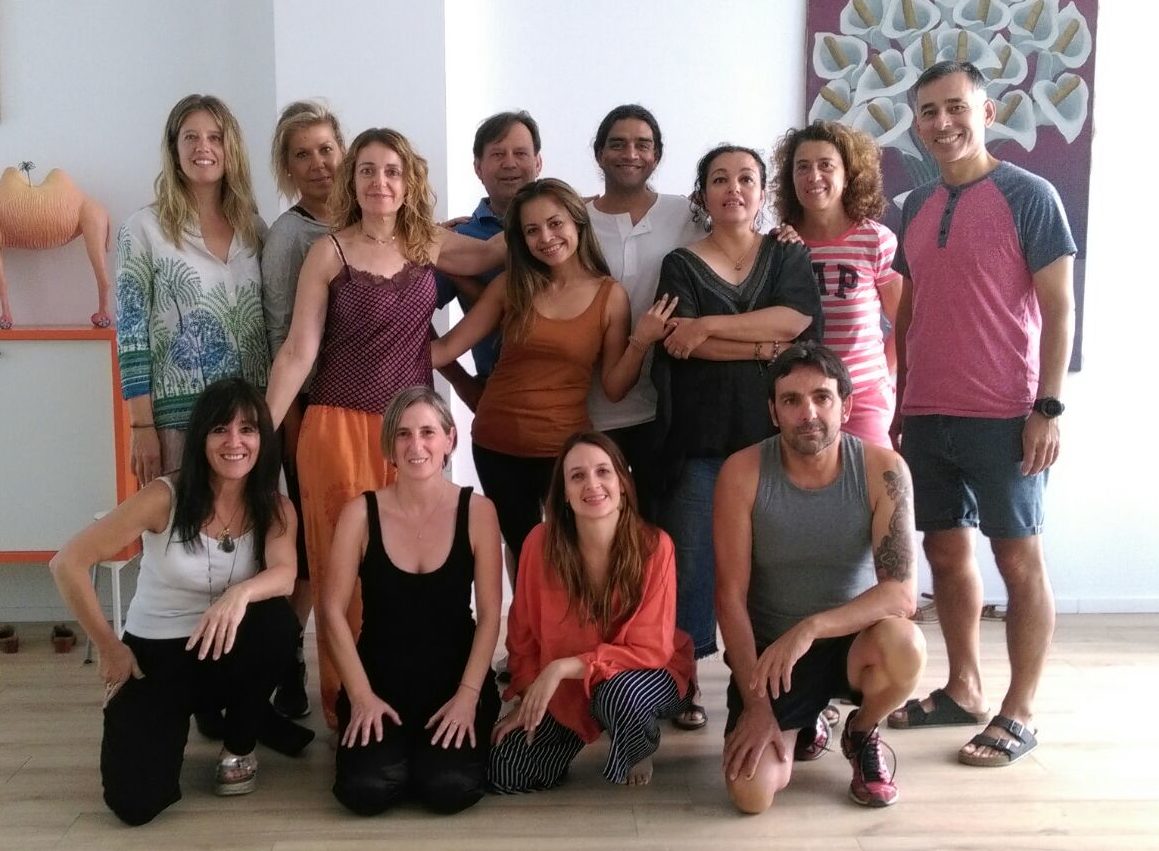
Join an international fraternity of people who feel empowered for life through their discovery of Personal Energy through us!
Read some of their testimonials below. Make your connection with the universe great for you!

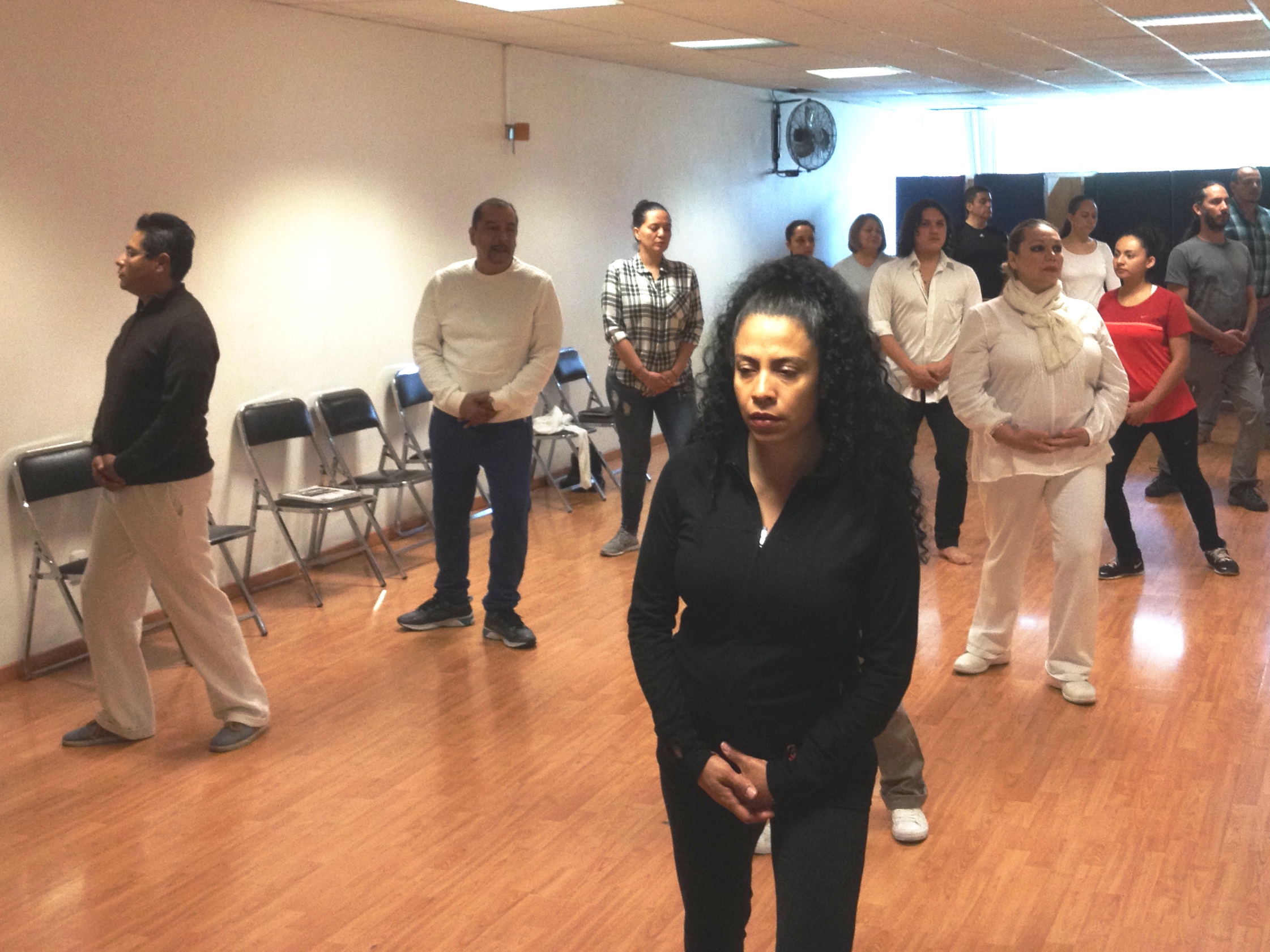
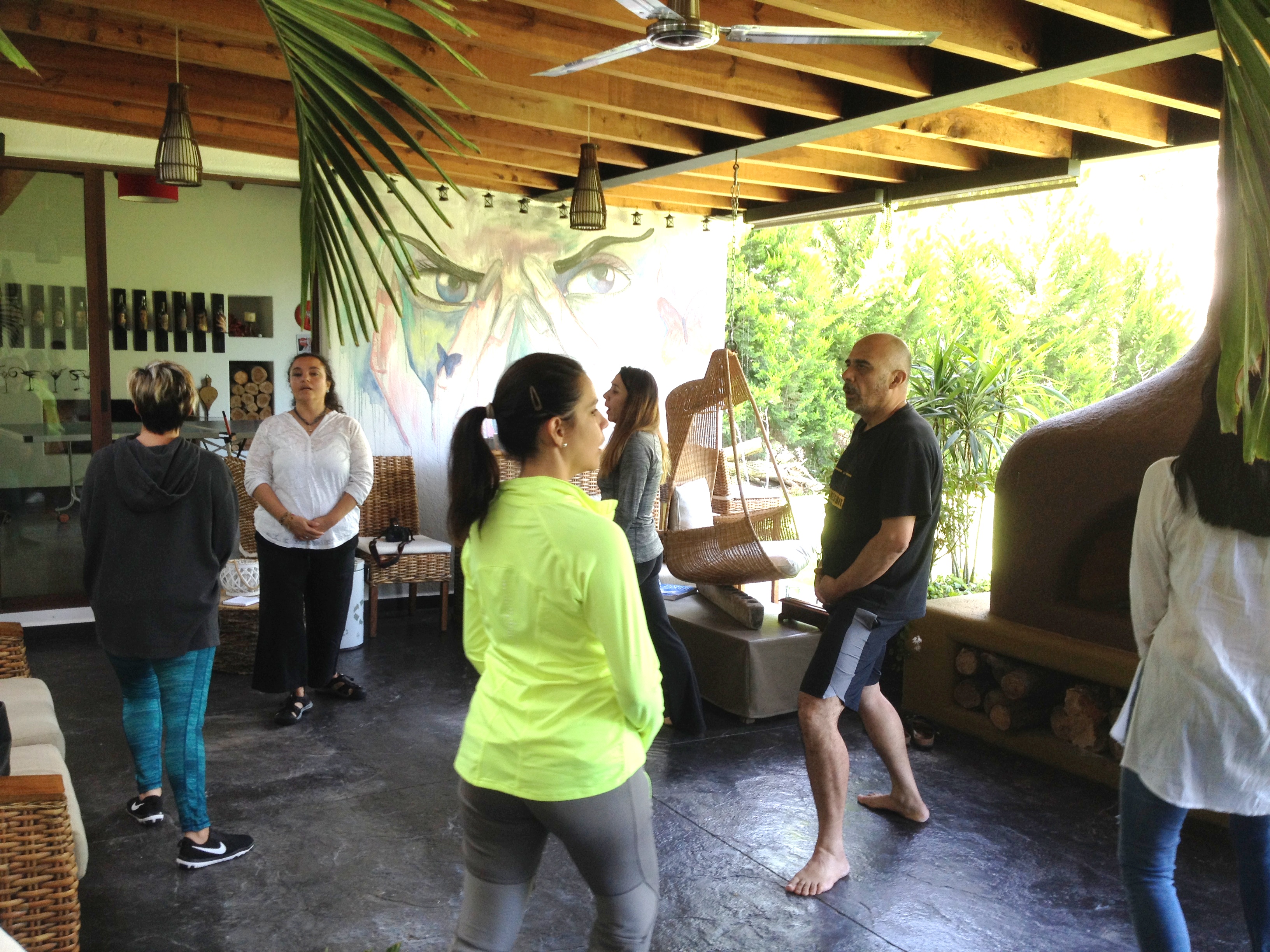
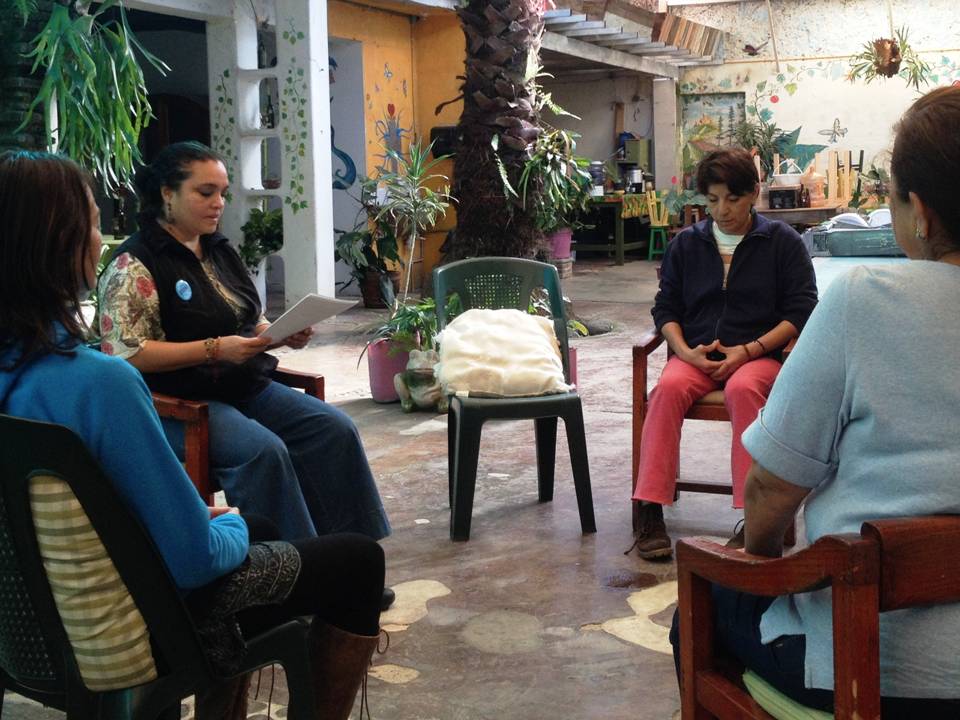
A few of our past courses and host organizations



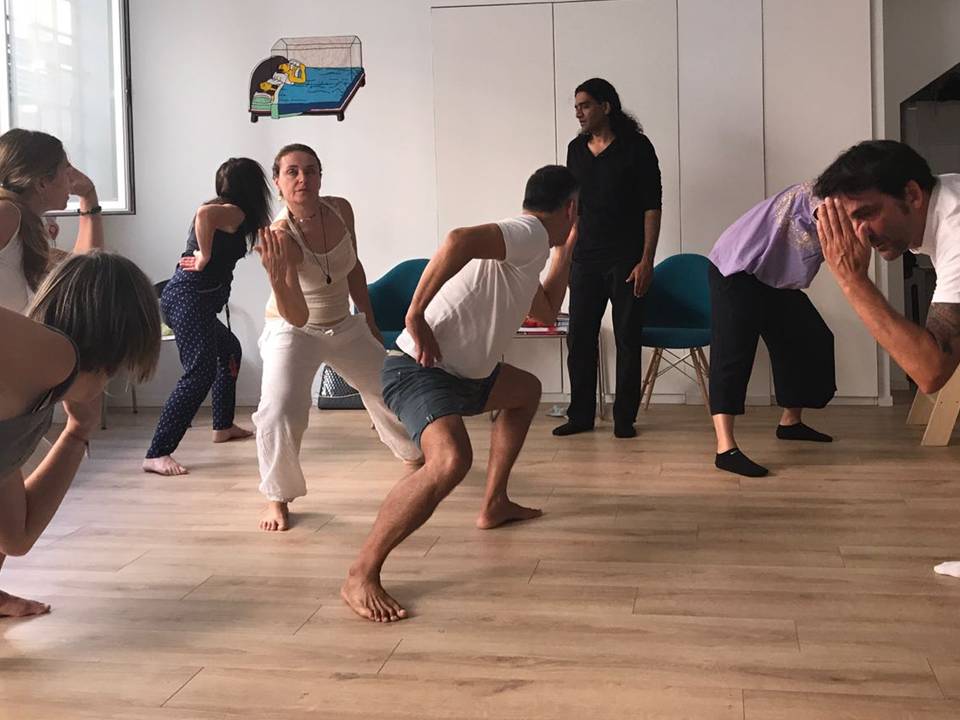


Perfectly grounded energy practitioners who practice what they teach
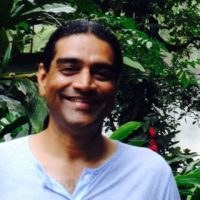
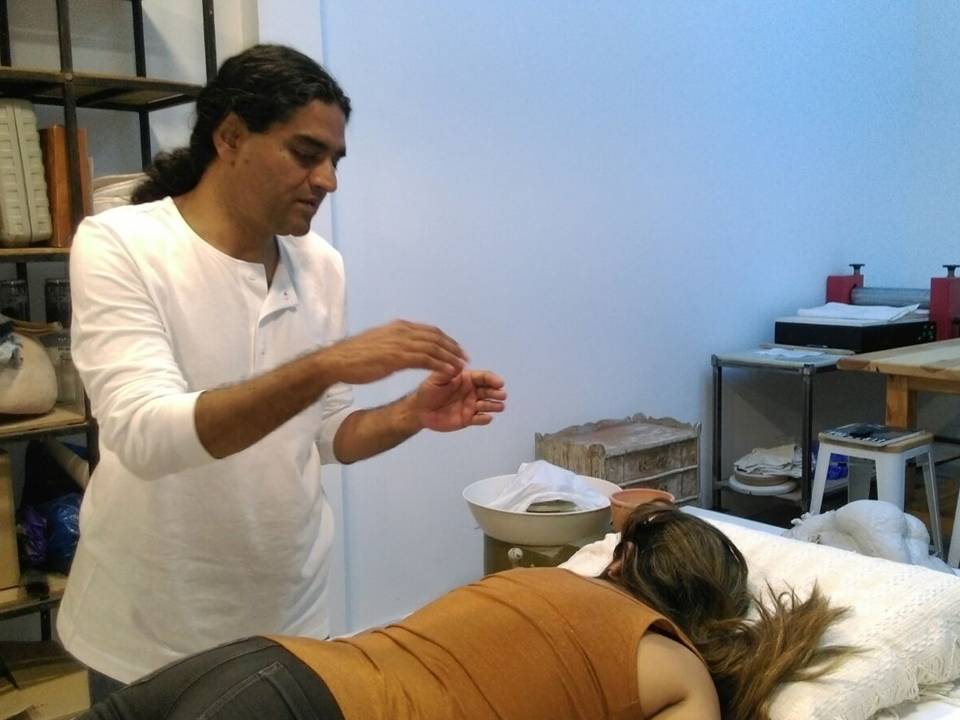
Feeling a compelling need to investigate the purpose of life and the source of our energy, in parallel to his corporate career Sandeep travelled to meet with several masters of different traditions from India, China, Tibet and Japan. He has synthesized the applied disciplines of Qigong, Reiki, Meditation, Mindfulness and Yogic Breathing into his courses and healing sessions. He is also a published author and blogger.

As an entrepreneur for 15 years, Kenna escaped the rat race to pursue her calling for Buddhism, which took her to India. She is an expert on relationships, handling emotions, self-healing and blends these aspects into all her teachings. Highly acclaimed for her smooth soft voice and comfortable demeanor, she is a Reiki practitioner, a student of Energy and Tantra, and a deep explorer of how the mind works.
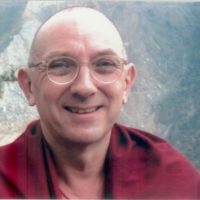
Venerable Lobsang Namgyel, an Australian Tibetan Buddhist monk, has been living in India and Nepal and studying and teaching Buddhism and Energy Work for more than 30 years across the world. His teachers include great masters as His Holiness the Dalai Lama, Lama Zopa Rinpoche and other Energy Healing Gurus including Dr Lai Chiu Nan. He has completed a 4 years of Lam Rim retreats and many tantric retreats.
Click each dot below to read what people like you are saying
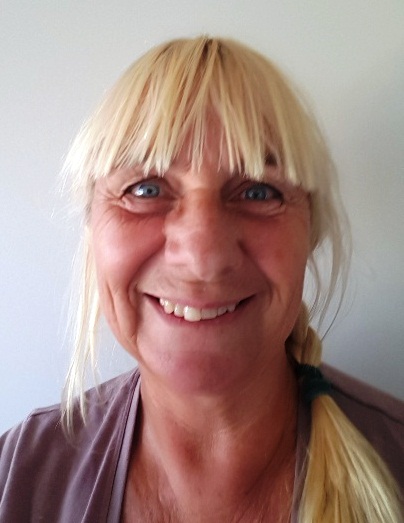
Wanda Killalea, Healer, Therapeutist"I attended the course with Sandeep to experience the "feel" of energy. I have experienced this plus immensly more. I am changed forever with easily learned energy movement techniques and Qigong, and am extremely grateful."

Silvia Noguera, Ceramic Artist"Thank you Sandeep and Kenna. Your workshop has been a blessing to me and I will cherish the teachings for all my life. I have been practicing diligently and the results are wonderful. I feel better from my innermost being everyday. Thank you."
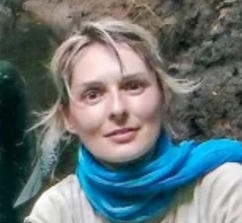
Anna Semitiel, Freelance Photographer"I am very grateful to you for the session and the inputs. The truth is that now I feel very well, and it seems much easier to control my anxiety. Thank you for the course!"
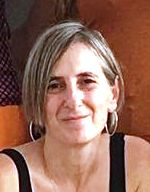
Itsasne Arratibel, Real Estate"I have gained an excellent set of exercises and practices that help bring my physical and mental energies into equilibrium. I feel enveloped by a sense of lightness and connectedness with the universe thanks to the course."

Ana Lorena, Prep School Teacher"When I return from school I am completely exhausted but after learning qigong from you I started doing the routine everyday at sunset. Now I find I am ready for my husband, kids, housework and doing school stuff till midnight!"
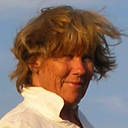
Mary Jane Miller, Renowned Artist / Painter"Yours was the first class where the method and significance of breathing was shared fully. Earlier I had discovered on my own experimenting and teaching, breathing helps to focus the mind first and then we can work on the energy and the rest. Bravo, keep it up. You are both a delight!"
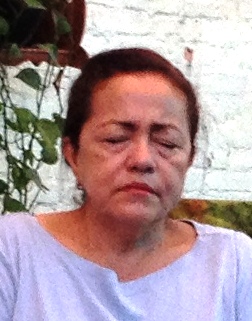
Midela Fernandez, Retired Teacher"I never realized the effects of energy work could be so immediate. I started the 25-minute routine you taught while I was feeling a pain in the lower back and was emotionally low. To my surprise I was cured of physical and emotional pains in minutes! Thanks a lot for these techniques. I am a fan :-)"
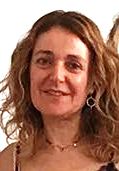
Paz Batllo, Designer"Sandeep is an authentic guru. He speaks from his innermost being, with living experience of everything he teaches. It is a refreshing change from the many other gurus I have learned from in Europe. In fact he is the first whose lessons I actually feel like practicing!"
Maria Elena, Wellness Consultant"Thank you for the opportunity to learn qigong. It was more than a pleasure to have shared this moment with you. This was a very meaningful and great experience which will surely improve my life. Thank you!"
Do you meditate? If you answered no, guess again! Every night you go to sleep you engage in the...
According to Chinese medicine, when your Qi isn’t flowing freely, you can get sick, stressed, or emotionally out of...
Stress relief games are a fun way to pass time of course. But qigong exercises - which you can...